We all care about Safety, especially when it comes to our family! The most common concerns with Furniture Safety around the house are:
- Furniture Tips - such as drawers or bookcases falling on children if they are climbed
- Bumps - When children fall against items, such as a coffee table with a sharp edge
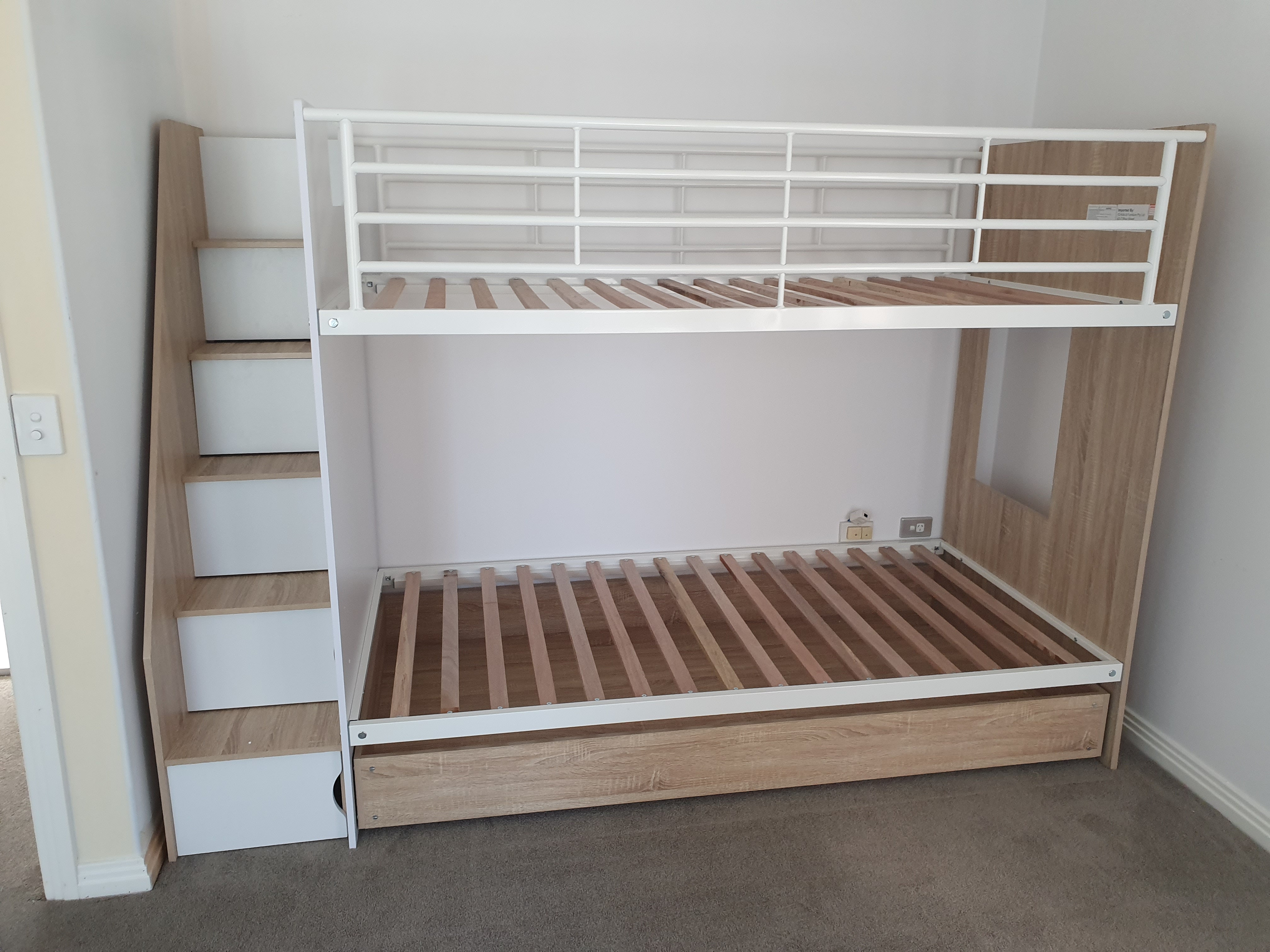
- Falls - When a child falls from a height, such as a Bunk Bed
- Access - this refers to such things as opening drawers and doors where we might not necessarily want them to because of harmful or breakable items
Furniture Tips
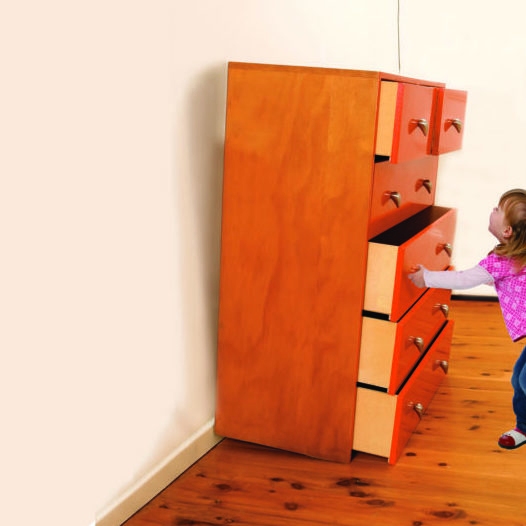 The main concern with furniture Safety is tips and falls that can cause very harmful injuries. In Australia there is no standard when it comes to Furniture Safety in and around the home for the general public, but suppliers do have regulations that they have to adhere too.
A new mandatory information standard was introduced on 3 May 2024. After a 12-month transition period, the standard came into effect on the 4th May 2025 and the standard aims to reduce the risk of death and injury from toppling furniture. The following are a brief outline of their obligations:
- Attach permanent warning labels to furniture
- Display point of sale warnings, both instore and online
- Include information about the risk of toppling furniture in any instruction manuals provided with the furniture
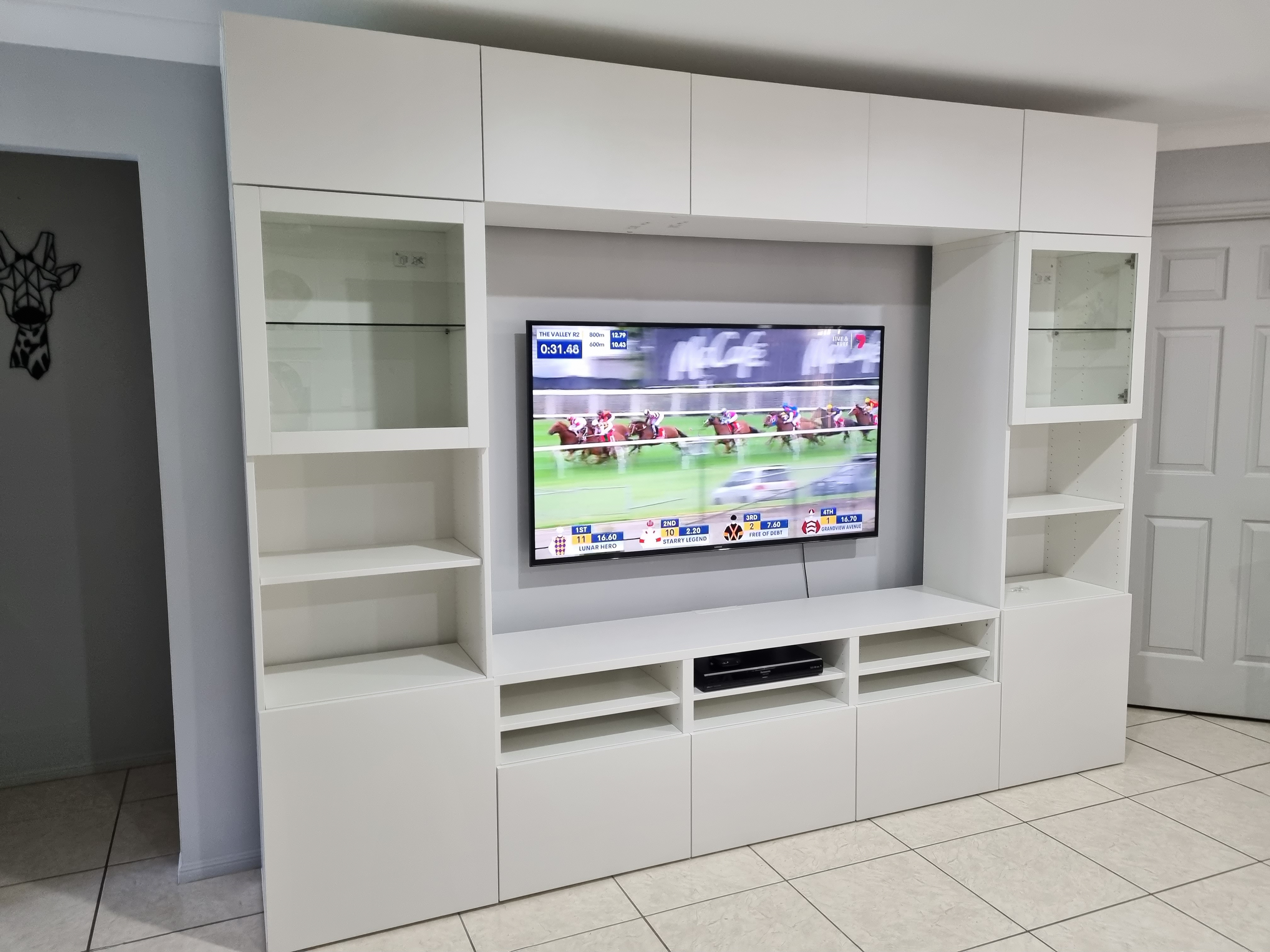
In general, this applies to any furniture that exceeds 686mm in height or any Tv/Entertainment cabinet.
While it is great to have these standards in place, there is no assurance that these guidelines are met once the retailer allows the product to leave the premises - so essentially it becomes the responsibility of the consumer, you!
 The main fear amongst furniture is that when it is allowed to be climbed upon, it can cause the centre of gravity to move forward, and the item topple onto the person or toddler and thus become a crush hazard and has caused serious injury and death. I have literally heard this from a concerned parent as little as weeks ago when it happened to them, but in this case, the father was in the neighbouring room, heard it all and came to the rescue, but it could have been much worse.
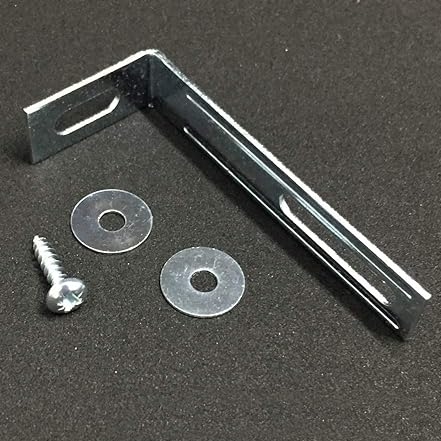
So the manufacturers are required to issue information and supply parts to fasten securely any items meeting the ACCC Criteria, but the responsibility falls on the owner of the furniture. We will ALWAYS recommend that furniture be fastened securely to a wall, especially when there are children involved, but there is no law stating that it has to be done. Regardless of what you believe it is the obvious safety choice.
So why don't people get their furniture items attached to the wall?
CUSTOMER - I am renting so I don't want to make holes in the walls.
ALLAN - A hole can be repaired quickly, easily & relatively cheaply, especially compared to injury or loss of life! In most cases a Real Estate Agent will allow permission, but state it must be fixed prior to vacating a premises.
CUSTOMER - I am not sure exactly where I want the item?
ALLAN - Most of the fixings can be easily moved without another hole or extra damage, if not, see the point above, as items can be repaired, lives can't be!
CUSTOMER - But we don't have kids yet.
ALLAN - What about visitors, like friends or relatives with children? Is it worth it?
Another interesting point to be made is relating to "other events". What do I mean about this? Well unlike other Countries, such as New Zealand, Australia does not have a record of high numbers of Earthquakes. In New Zealand, where there are more occurrences of these, it has become more common practice to attach furniture to walls for exactly this purpose. Whilst it is rare, it can and does happen.
Should there be laws pertaining to our houses to ensure everything is secured? And if there was, exactly how would they be policed. My common sense tells me that it simply would not be possible to govern something of this nature due to the sheer amount of furniture involved. The only real way to deal with this is education. But even with education, people will always make their own choices concerning something like this. Should the manufacturers be held accountable for education, the retailers or maybe the government? For this conversation, I do think it is above my pay grade to make a final decision.
Now that we have identified what should happen, the next thing to explore is the how. All manufacturers will have detailed instructions with their products, along with a set of basic materials to secure items safely. One does hope that each of these products will be safe and prevent furniture accidents, but once again, to my knowledge, there is nobody governing these.
Bumps
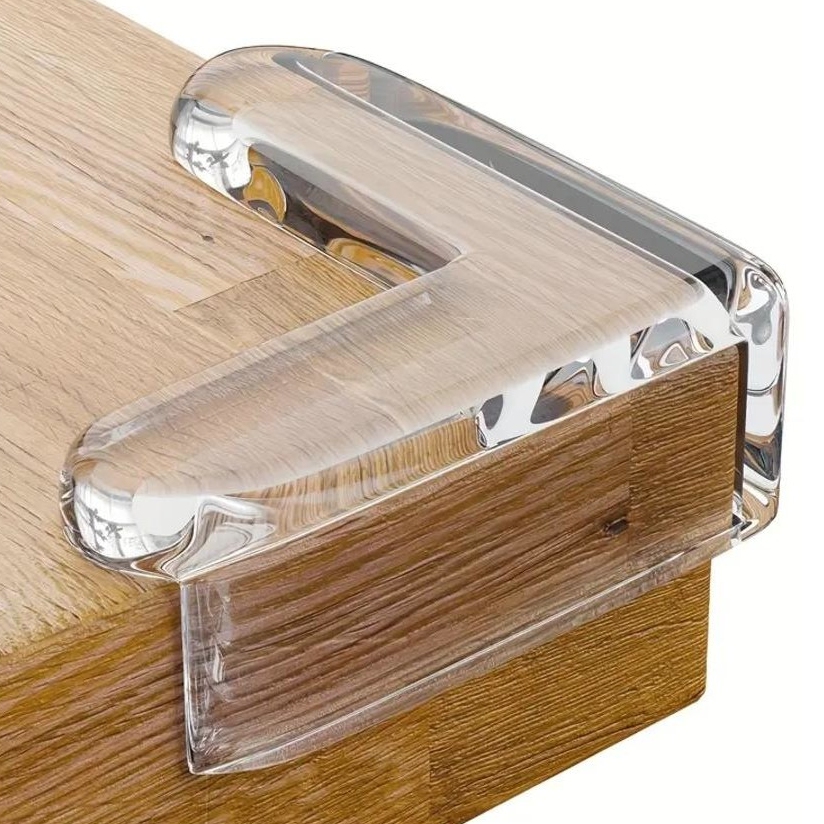
As mentioned, this pertains to when a child falls and hits an object such as the edge of a coffee table. The is probably the main cause of injury for children regarding furniture. Supervision is of course the best precaution one can take, but you can't watch a child 24/7 and you would not be able to catch them unless you literally followed them around as they take every step.
 CUSTOMER - How can I stop my child from Falling?
ALLAN - Quite simply, you can't! It will happen as children just don't have the motor skills developed as much as adults, well, most adults, well, most sober adults.
You could wrap them in bubble wrap?
CUSTOMER - So what can I do?
ALLAN - Short of wrapping them in bubble wrap, the next solution is safeguarding them from corners. There are a huge range of products at your local Bunnings or hardware store that have been designed for this use.
If I can offer more advice on these there is one main point - QUALITY! With baby safety products, you do get much better quality with the more expensive brands. It is better quality and safer plastics, which can be the difference between PVC free or toxic plastics and flammable products. Also, the adhesive used on these gets better with the higher quality products.
Look for big brands names, rather than a cheaper home brand knock-off.
Falls
When we are looking at falls, the consideration is height. Think of things along the lines of a rolling out of a bed accidentally. You can quite simply buy a baby safety bed rail and bunk beds come with higher rails on the top bunk.
Please also pay attention to the mattress height on top bunks, every brand should have a guide of maximum safe height, usually depicted buy and arrow and line. These are there as a guide, so the rails stay effective on them.
All that said, this does not stop falls when behaviours are more, let's say adventurous and some of those times when children might want to push the limits and quite literally jump from a height. There are laws in place for the manufacturers concerning the positioning and protection of areas where arms etc might get caught. These cover gaps like the side of a ladder accessing the top bunk and the gap between a bottom bunk. The law indicates that any potentially unsafe area, needs to be protected or covered to prevent these accidents, such as an arm getting stuck and possibly broken.
That said, like the furniture tips section and attaching items to walls, there is no policing of this regarding your household.
Let's face it, children will be children, and they will try and then hopefully learn from their mistakes, although that said, it of little comfort when these things happen.
Access
This refers to protecting items in your home such as valuable or breakable items, or dangerous and harmful items. Think along the lines of your grandmother’s finest china or the sharpest knife in your kitchen, along with things like poisons. Like with Bumps and Falls, supervision is the best, but not always practical.
The major hardware stores, such as Bunnings have a huge variety of locks and catches to attach to furniture or built-in cabinetry specifically designed for this purpose. some will attach with adhesive, either internally or externally and then some attach with just a couple of screws. Some are activated with a latch system or clasp, whilst others are operated by a magnet style key.
CUSTOMER - So what is your best advice?
ALLAN - Take care and use some Common Sense! Try to identify things that could become hazards and then take precautions. Safety is our responsibility!




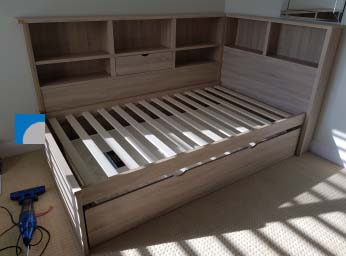
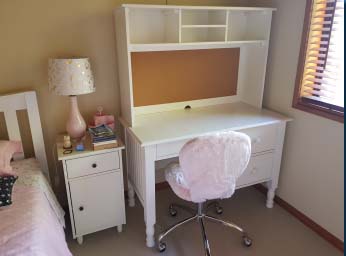
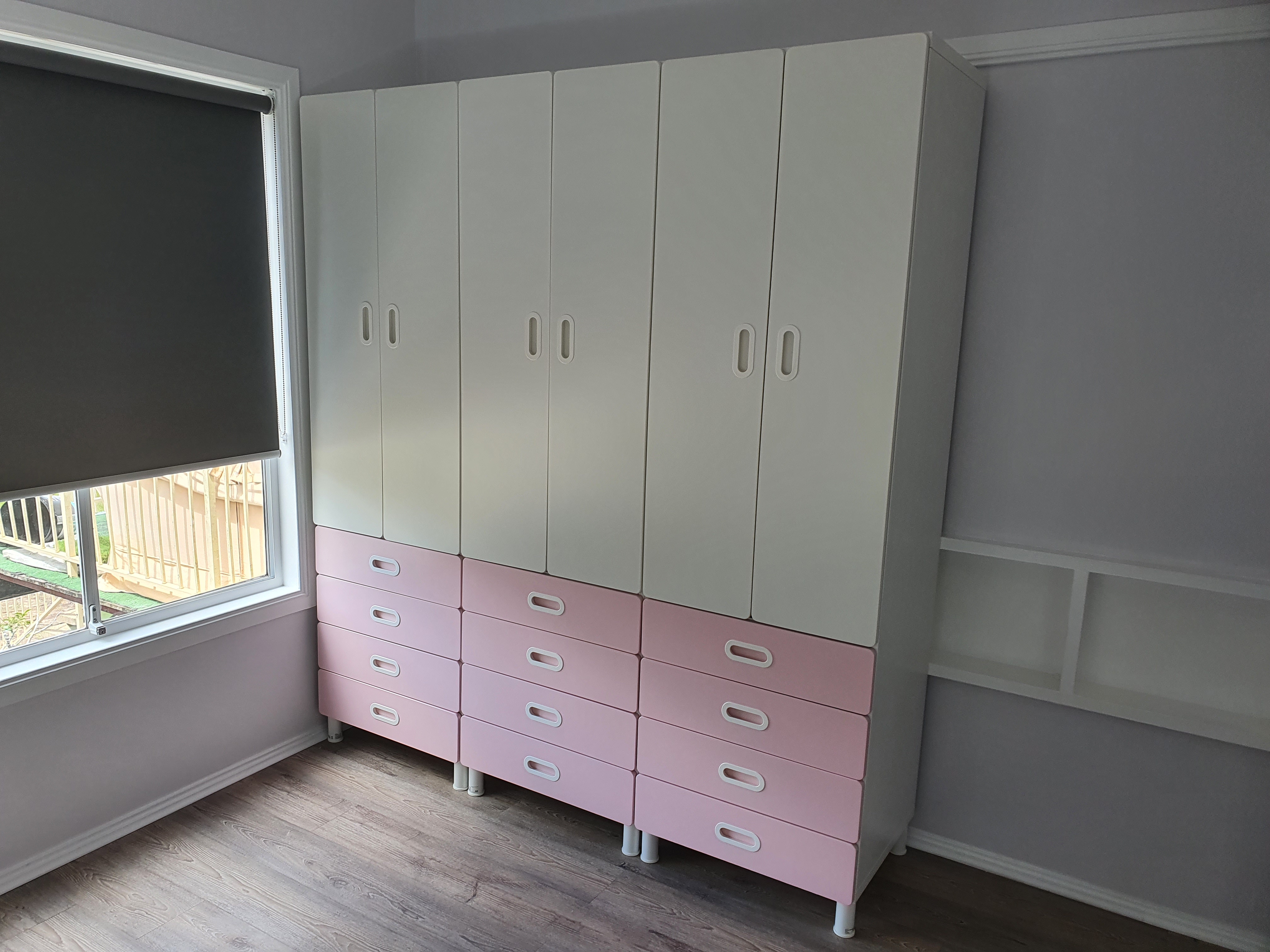



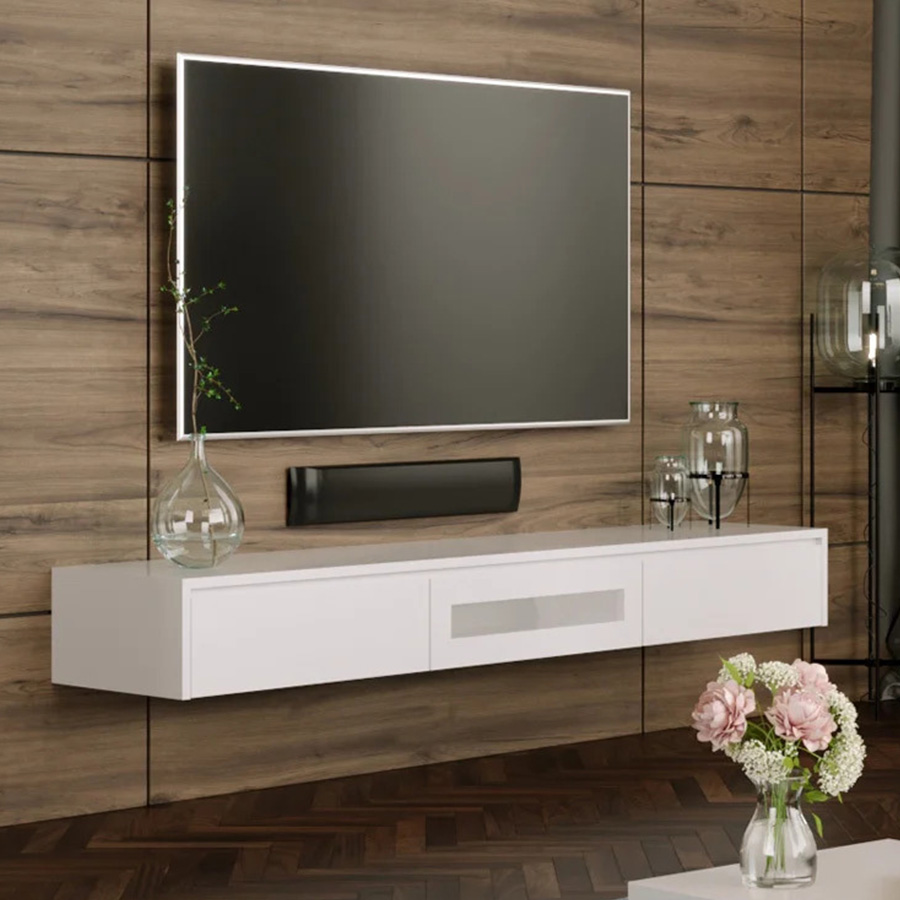








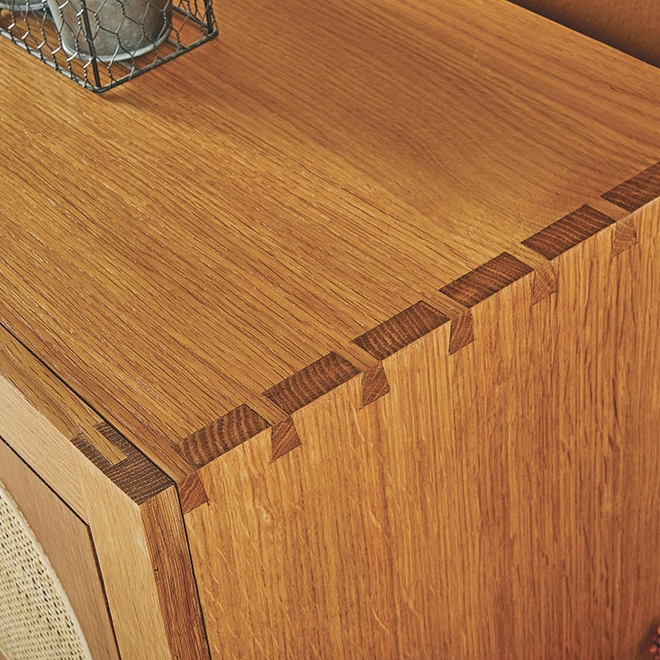 Without a doubt the best furniture in our opinion is furniture crafted in solid wood. I am talking about hand crated by a Carpenter with the skills to utilise age old techniques to create custom wood joinery. What I am talking about are good old fashioned connecting joins which essentially hold themselves together. In fact, carpentry more is a term used for structural integrity, whilst this type of work more becomes known as wood working, the fine art of making these items pieces of art.
 CUSTOMER - So which is the best Company?
 CUSTOMER - How can I know what is good and what is not?
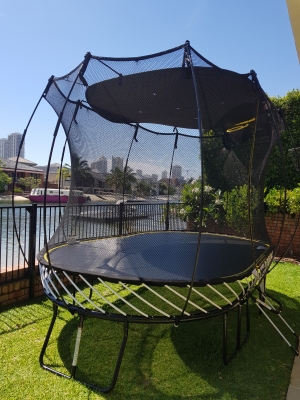 Basically a Trampoline is an elevated resilient webbed bed or canvas sheet supported by springs in a metal frame. It provides a spring based platform for literally jumping and rebounding from to achieve height, which then enabled the jumper to perform manuvoures. This basic idea has evolved over the years to obviously include better materials and better designs. There are many sizes and many more brands, along woth different shapes and sizes.
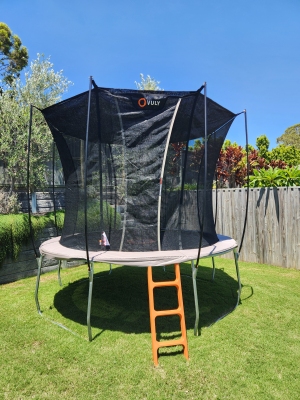 They back their products starting with a 3-year warranty for their base model, the Flare, to 10 years for their top of the range model, the Thunder Pro 2.
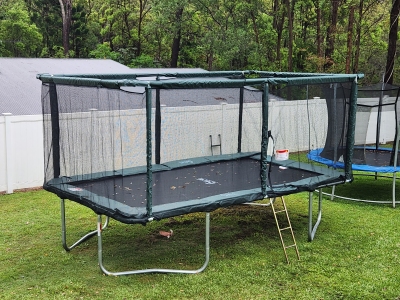 The next thing to ensure with trampolines is that they are installed and maintained accurately.